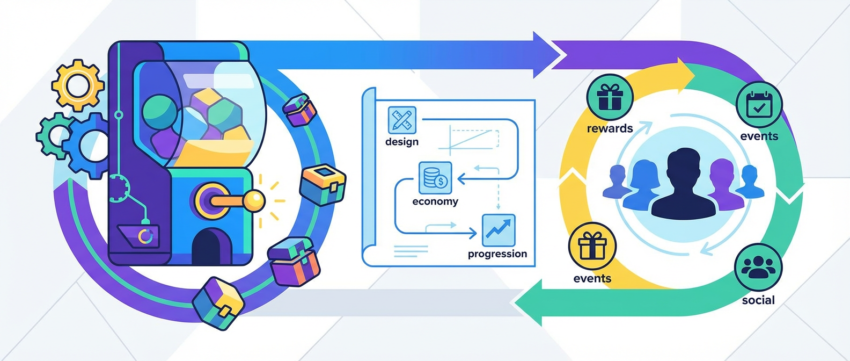
Before diving into the specifics, it’s worth establishing why this particular development sits at an intersection that community audiences — more than most — are positioned to understand.
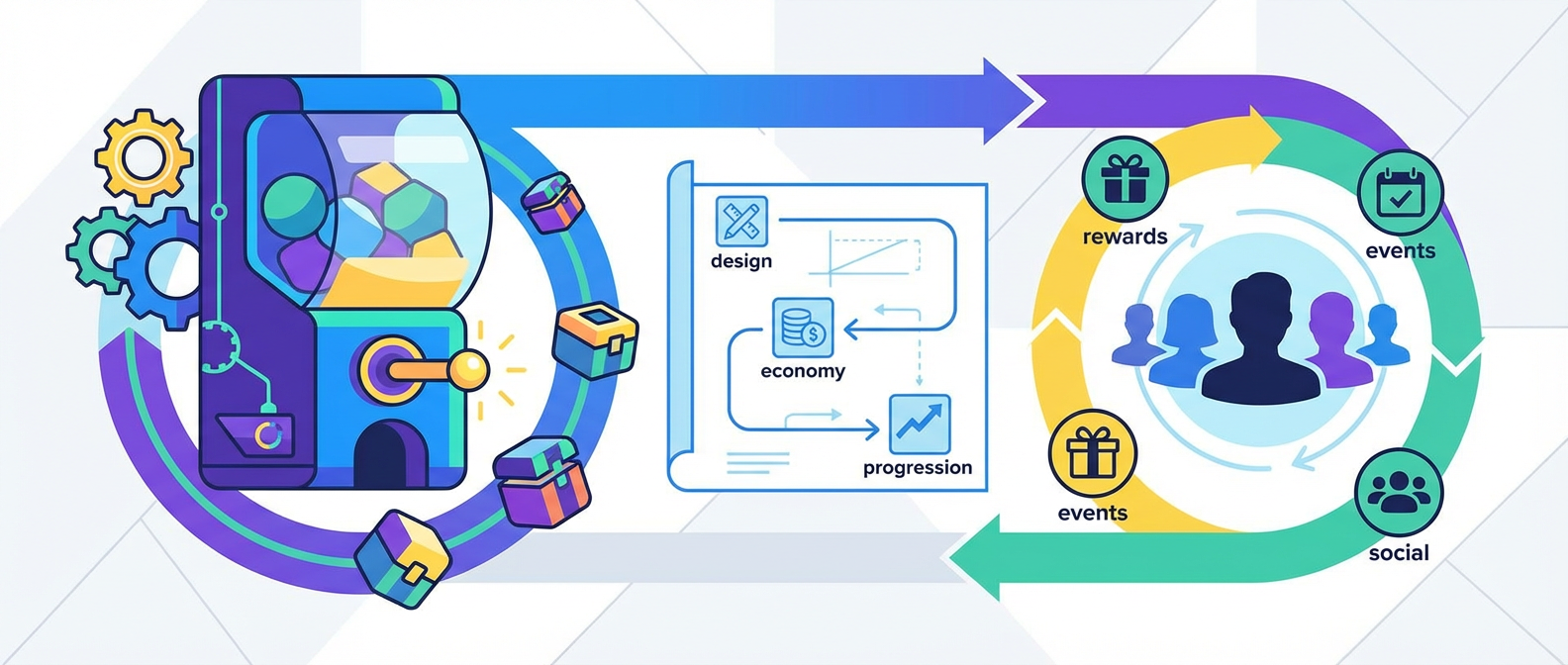
A Fresh Perspective on Gacha Design
I came to gacha gaming later than most, which gives me the advantage of seeing the current landscape without the nostalgia goggles that longtime players sometimes wear. What strikes me immediately is how sophisticated these games have become in their approach to player psychology and retention. Far from the simple slot machine mechanics that critics often reduce them to, today’s successful gacha games use complex systems designed to create genuine engagement rather than mere addiction.
The pattern here is familiar once you’ve seen it a few times. Here’s what I keep coming back to on this.
The numbers tell a sobering story about player retention in this space. Industry data shows that the typical gacha game manages to keep only about 15 percent of its initial players active after a month. This harsh reality has pushed developers beyond basic collection mechanics and forced heavy investment in systems that create lasting connections between players and their games.

The Daily Rhythm and Event Ecosystem
Modern gacha games have perfected the art of creating daily habits without feeling oppressive. Login bonuses and rotating special events form the backbone of player engagement strategies, but the best implementations feel more like visiting a favorite coffee shop than punching a time clock. These systems work because they respect player agency while providing consistent reasons to return.
The rotation of limited-time events serves multiple psychological functions. It creates natural breaking points in gameplay that prevent burnout while establishing a sense of urgency that motivates participation. However, the most successful games have learned to walk the fine line between excitement and exploitation. Events that feel predatory ultimately drive players away. Those that offer genuine value and achievable goals build long-term loyalty.
What makes this approach effective is its acknowledgment of how people actually engage with mobile entertainment. Players want to feel like they’re making meaningful progress during brief play sessions scattered throughout their day. The daily login and event structure accommodates this reality while creating anticipation for future content.
Storytelling as a Differentiator
Perhaps the most significant evolution in gacha game design has been the elevation of narrative quality. While early entries in the genre often treated story as an afterthought, today’s market leaders understand that compelling characters and plots create emotional investment that transcends the collection mechanics. Players who care about what happens next stick around for the long term.
This shift toward narrative sophistication has created a new tier of gacha games that compete not just on gameplay systems but on storytelling merit. Games that once might have relied purely on character rarity and combat mechanics now invest heavily in voice acting, animation, and writing quality that rivals traditional console RPGs. The Game Developer analysis of recent market trends shows that story-driven gacha games consistently outperform their mechanics-focused competitors in long-term retention metrics.
Character development within these narratives also serves retention goals in subtle ways. When players become invested in fictional characters as personalities rather than just statistical collections, they develop emotional stakes that extend beyond gameplay. This emotional connection creates a form of engagement that competitors cannot easily replicate through mechanical improvements alone.
Reducing Friction While Maintaining Engagement
One of the most counterintuitive developments in gacha design has been the widespread adoption of auto-play and skip features. Traditional game design wisdom suggests that removing player input reduces engagement, but gacha games have demonstrated that the opposite can be true when implemented thoughtfully. These features acknowledge that many players have lives outside the game and cannot dedicate hours to grinding repetitive content.
Auto-play systems work because they solve a fundamental problem with mobile gaming: the disconnect between the time investment that progression systems expect and the actual availability that players have. By allowing automated completion of routine tasks, these games free players to focus on the aspects they find most engaging, whether that’s strategic team building, story progression, or social interaction.
The key insight here is that engagement and time investment aren’t the same thing. A player who can efficiently handle daily maintenance tasks through automation may actually engage more deeply with the game’s core systems than someone who burns out on repetitive grinding. This approach requires careful balance to ensure that automation enhances rather than replaces meaningful player choice.
Community as the Ultimate Retention Tool
Social features and guild systems represent perhaps the most powerful retention mechanism in modern gacha design. While individual players might lose interest in collection goals or story progression, social bonds create persistent reasons to remain active. Guild systems that require coordination and mutual support transform what could be solitary experiences into collaborative endeavors.
The psychology behind social retention is straightforward but powerful. Players who make friends within a game feel genuine social pressure to remain active, not because the game demands it but because their guildmates depend on them. This transforms game engagement from a purely entertainment-driven decision into one with social implications.
Successful guild systems also create multiple layers of engagement that appeal to different player motivations. Competitive players can focus on guild rankings and collaborative challenges, while social players might prioritize chat features and cooperative events. Resource-sharing mechanics and group goals ensure that players of different skill levels can contribute meaningfully to their communities.
Player-Driven Development and Feedback Integration
Modern gacha games have also distinguished themselves through unprecedented responsiveness to player feedback. Social media channels and community forums now work as direct lines of communication between developers and players, with successful games regularly adjusting their roadmaps based on community input. This creates a sense of shared ownership that traditional gaming rarely achieves.
The GDC vault design talks from recent years highlight how this feedback integration has become a core design philosophy rather than an afterthought. Developers who actively engage with their communities and implement requested changes build loyalty that extends far beyond individual game features.
This approach succeeds because it acknowledges that long-term retention requires genuine respect for the player base. Games that treat players as partners in the development process rather than simply consumers create investment that transcends entertainment value. When players feel heard and valued, they become advocates who contribute to organic growth through word-of-mouth recommendations.
The evolution of gacha game design represents a sophisticated understanding of human psychology and social dynamics. While the genre will always face criticism for its monetization models, the best examples demonstrate that player retention and respect aren’t mutually exclusive goals. As the market continues to mature, the games that thrive will be those that create genuine value and community rather than simply optimizing for short-term spending.
The bigger picture connecting gaming trends, mobile entertainment, and digital culture is exactly what metatrend.app maps. If the questions this piece raises matter to you, that is a good place to continue the conversation.
Local knowledge compounds. The more people who share what they know, the better it gets for everyone. Show up this Saturday — every extra pair of hands matters.