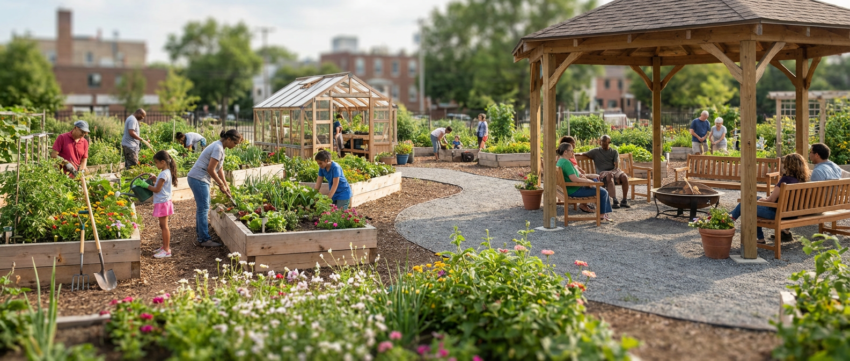
What Stood Where the Parking Lot Sits Now
Before the asphalt and the painted lines, before the Tuesday evening arguments at city council about permit fees and liability insurance, there was Mrs. Chen’s backyard garden that somehow fed half the block. I know this because I spent three hours last week digging through the planning commission archives, following a paper trail that starts with a 1987 variance request and ends with a 2019 demolition permit. The bureaucratic language doesn’t capture what actually happened here, but the chronology tells a story worth understanding.
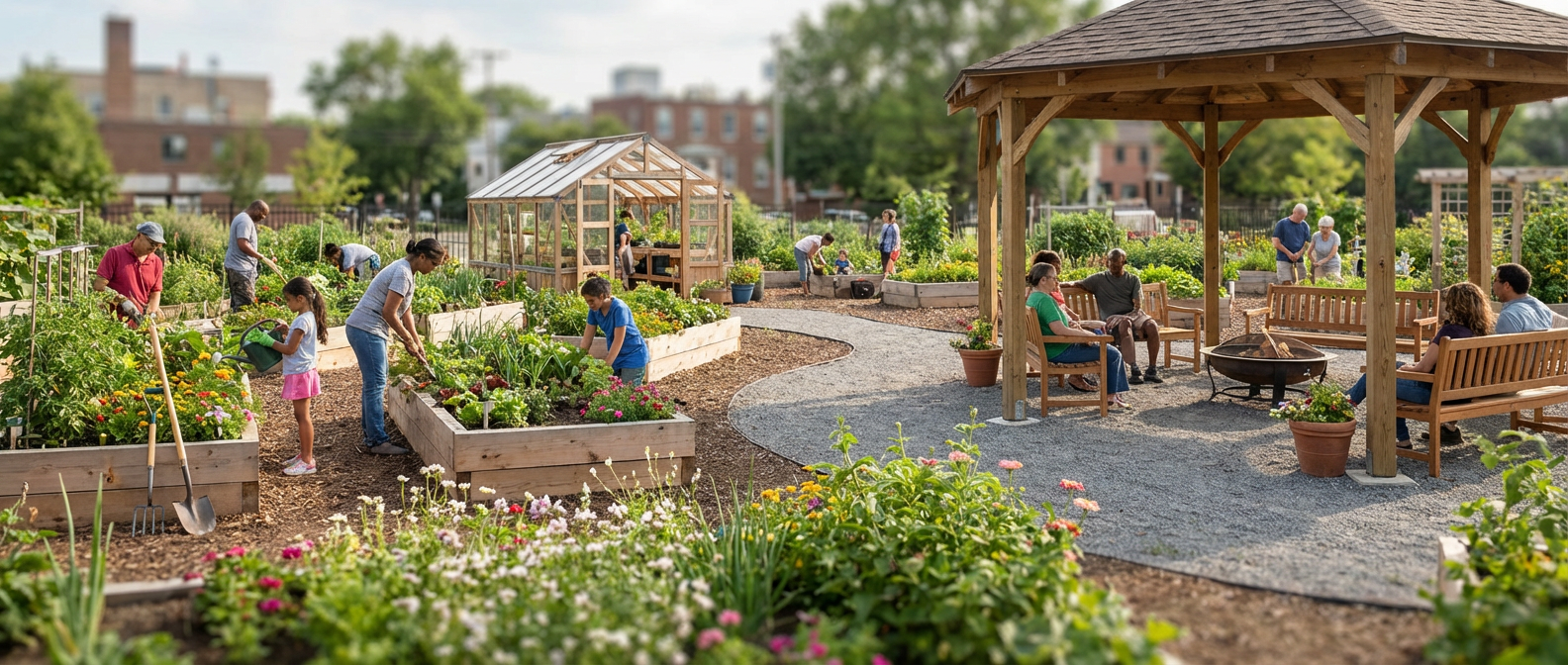
Mrs. Chen’s property backed up to the Kowalski place, and their chain-link fence had long since given way to shared tomato stakes and a rotating system for who watered what when. By the early 2000s, according to the neighborhood association meeting notes I found tucked in a file folder marked “miscellaneous,” they had pulled up most of their back lawn and were growing enough vegetables to supply the weekend farmers market stand they ran together. This wasn’t hobby gardening. This was food production that mattered to household budgets and weekly meal planning.
The city’s own records show that when Mrs. Chen died in 2017 and the Kowalskis moved to assisted living six months later, the developer who bought both lots wasn’t required to preserve any of the garden infrastructure. The fruit trees, the raised beds built from reclaimed lumber, the rainwater collection system that had been grandfathered in under old zoning rules, all of it was gone within a month. What we have now is sixty-eight parking spaces that serve the medical office building next door and stay mostly empty after 5 PM.

How Food Systems Actually Work at the Neighborhood Level
The thing about community gardens that policy discussions usually miss is how they work as distribution networks, not just production sites. When I talked to Rosa Martinez, who still lives three houses down from where Mrs. Chen’s garden used to be, she described a system where excess zucchini in July meant guaranteed help with snow shoveling in January. Where knowing how to can tomatoes or cure garlic became social currency that kept people connected across language barriers and income differences.
This isn’t romantic thinking about neighborhood cooperation. This is infrastructure that works at a scale municipal services can’t match. Rosa still has the notebook where Mrs. Chen wrote down which varieties of peppers grew best in their soil, which corner of the yard stayed warmest in early spring, how to tell when the fig tree needed pruning. That knowledge base took fifteen years to develop and disappeared in an afternoon when the demolition crew arrived.
The economic impact shows up in ways that don’t make it into development impact statements. According to the household spending data I requested from the county, the six families who regularly participated in the informal food sharing network saw their grocery bills drop by an average of eighteen percent during peak growing season. For fixed-income households, that difference between buying fresh vegetables and growing them three blocks from your front door determines whether you can afford both prescription medications and decent food in the same month.
What the Zoning Code Actually Says About Productive Land Use
Here’s what I learned from reading through forty-three pages of municipal code amendments passed between 2010 and 2023: our current zoning framework actively discourages the kind of small-scale agriculture that used to happen organically in residential neighborhoods. The setback requirements, the restrictions on structures higher than eighteen inches, the prohibition on any commercial activity even if it’s just selling surplus herbs to neighbors, all of this regulatory language makes it nearly impossible to replicate what Mrs. Chen and the Kowalskis built over two decades.
The irony is thick enough to cut with a garden spade. The same city council that passed a resolution declaring climate emergency status in 2021 maintains zoning codes that treat backyard food production as a nuisance requiring special permits. Meanwhile, the transportation master plan calls for reducing vehicle miles traveled by twenty percent over the next decade, but we keep approving developments that replace walkable food access with parking lots that require driving to reach the nearest grocery store.
I spent a frustrating afternoon trying to figure out what it would take to establish a new community garden on city-owned land. The application process involves six different departments, requires a minimum of twelve months lead time, and includes a liability insurance requirement that would cost more annually than most neighborhood groups spend on seeds and tools combined. These aren’t intentionally hostile policies, but they work as effective barriers to exactly the kind of community-scale problem solving that used to happen without paperwork.
The Maintenance Systems We Lost With the Gardens
Community gardens don’t just grow food. They grow relationships that keep neighborhoods working when other systems fail. This became clear during the February 2021 power outages, when Rosa told me she knew exactly which houses had elderly residents who might need help, which families had generators they could share, who had wood stoves that could be warming centers. She knew this because three years of coordinating garden work schedules had created communication networks that city emergency services couldn’t replicate.
The garden also worked as an early warning system for neighborhood problems. Mrs. Chen noticed when the streetlight at the corner started going out two hours before midnight, creating a dark spot that made evening walks unsafe. She reported it because she was outside checking rabbit damage to her lettuce and happened to notice the pattern. These aren’t dramatic interventions, but they’re the kind of low-level maintenance work that keeps communities livable and safe.
Without spaces that bring people together for regular, practical work, we lose these informal monitoring systems. The medical office building has professional landscaping and security cameras, but it doesn’t have residents who know when something looks different or concerning. We’ve traded working community infrastructure for property uses that require professional management, and the result is neighborhoods where problems can develop without anyone noticing until they require official intervention.
Building Food Systems That Actually Feed People
The good news is that we know how to create productive community spaces because we had them before and can have them again. The city owns forty-seven vacant lots larger than a quarter acre, according to the property database I pulled last month. Most of these sites have decent soil, adequate sunlight, and access to water infrastructure. What they lack is political momentum and neighbors willing to show up at planning meetings with specific proposals instead of general complaints.
Starting a new community garden requires navigating bureaucracy, but it doesn’t require expertise that normal people can’t develop. The successful applications I reviewed all included detailed maintenance plans, clear governance structures, and evidence of neighborhood support demonstrated through petition signatures and letters from nearby residents. The process takes longer than it should and costs more than it needs to, but it’s not impossible if you’re willing to spend six months learning how municipal decision making actually works.
What makes the difference between projects that get approved and those that disappear into committee review is showing up consistently with practical solutions to regulatory concerns. City staff want to say yes to proposals that won’t create problems for their departments. That means having answers ready for questions about liability, maintenance responsibilities, and compatibility with surrounding land uses.
This month’s planning commission meeting includes a discussion item about updating the urban agriculture ordinance. These policy conversations determine whether the next generation of gardens will be possible or prohibited. If you’ve ever wondered how Mrs. Chen managed to feed her neighbors for fifteen years, come find out how we can create the conditions for that to happen again.