The Meeting Where Everything Almost Fell Apart
Three months ago, I watched Maria Santos lean back in her folding chair at the community center and say the words that changed everything: “I don’t think you people understand what my family needs.” The room went quiet. We’d been talking about raised beds and rain barrels for an hour, sketching out plans for the empty lot on Maple Street, and suddenly we weren’t talking about gardening at all.
Maria was right. We didn’t understand. The twelve of us who’d shown up to that first meeting had been thinking about tomatoes and herbs, maybe some flowers along the fence line. Maria was thinking about her kids having nowhere safe to play after school, about the corner store that charged three dollars for wilted lettuce, about the fact that her neighbor Mrs. Chen spoke limited English and had been growing vegetables in coffee cans on her fire escape for two years.
That moment taught me something important about community organizing that no manual ever mentions. The thing you think you’re building is never the thing you’re actually building. We thought we were starting a community garden. What we were really doing was creating a space where 47 different households could figure out how to be neighbors.
Following the Money and the Meetings
After Maria’s reality check, I did what I always do when things get complicated: I went to city hall. The lot on Maple Street had been sitting empty for three years, tied up in a bureaucratic knot that involved the parks department, the housing authority, and something called the “urban blight mitigation fund.” The monthly parks committee meetings became my Tuesday evening routine, right between grocery shopping and helping my daughter with algebra.
Here’s what I learned from six months of following paper trails and sitting through budget discussions: the city actually wanted someone to do something with that lot. They just didn’t have the staff or the budget to make it happen themselves. The application process for community use permits looked intimidating, but it turned out to be mostly about proving you could handle basic insurance and wouldn’t let the space turn into a dump.
The real breakthrough came when Council Member Rodriguez mentioned during a budget hearing that the public works department had a pile of compost they needed to get rid of. I cornered her after the meeting and learned about the city’s composting program, which had been quietly turning yard waste into black gold for five years. One phone call later, we had our soil amendment sorted. Sometimes the resources you need are hiding in plain sight in the municipal budget line items.
The Art of Actually Asking People What They Want
Armed with our permits and compost connections, we could have started digging. Instead, we spent two months knocking on doors. Not asking for volunteers or donations, but asking questions. What did people want to grow? What did their families eat? Who had experience gardening? Who had tools? Who had time on weekends versus weekday evenings?
Mrs. Chen, it turned out, had been growing the most incredible bok choy I’d ever seen in those coffee cans. She also knew more about companion planting than any gardening book I’d read. The teenagers who hung out by the bus stop were curious about the project but worried we’d kick them out once the garden was established. The family with the toddler twins needed a space where kids could run around without destroying anyone’s plants.
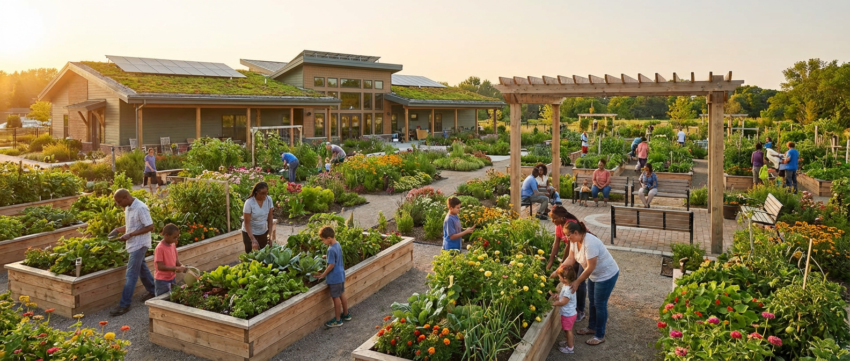
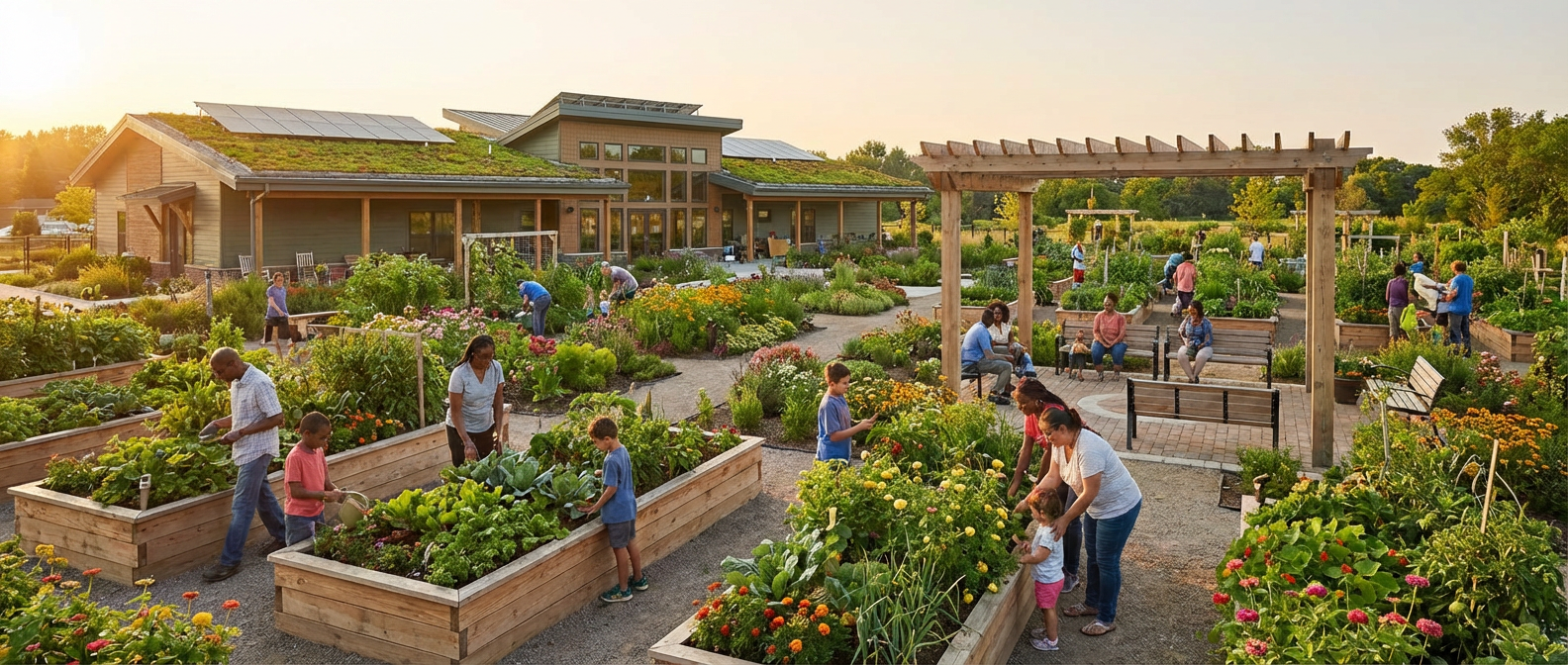
These conversations led to our design: raised beds at different heights for different ages and abilities, a large open area for kids and community events, space for both individual family plots and shared growing areas. We added benches and a tool shed, but also a little free library and a community board where people could post everything from babysitting offers to rides to the grocery store.
The best part? By the time we started building, we had 23 families committed to participating and a waiting list of eight more. We’d also connected Mrs. Chen with Maria’s mother-in-law, who spoke Spanish and wanted to learn about Asian cooking. The teenagers became our unofficial security team and helped design a basketball hoop setup that could be moved when we needed the space for garden work.
Building More Than Beds
Construction day looked like controlled chaos. Forty-seven people showed up with tools, snacks, and wildly different ideas about how to build things. By noon, we had three different work crews going at the same time: one group building raised beds, another laying out pathways, and a third group that had spontaneously decided to paint a mural on the tool shed.
The day taught me something about the difference between organizing and managing. I’d spent weeks creating schedules and task lists, but the actual work happened through a hundred small conversations and negotiations. When the delivery truck couldn’t make it down Maple Street, six neighbors materialized with wheelbarrows. When we realized we’d ordered the wrong screws for the bed frames, someone’s cousin who worked construction showed up with alternatives and better tools.
Three months later, we’re harvesting our second round of lettuce and planning a fall festival. But the garden’s success isn’t really about the vegetables. It’s about the fact that the Henderson kids now play safely in our open area after school while their mom works late. It’s about Mrs. Chen teaching a weekend cooking class using herbs from the garden. It’s about the community board that’s become a hub for everything from tool borrowing to organizing support for families facing eviction.
The most unexpected outcome? We’re now the neighborhood contact point for city council representatives who want to understand what residents actually need. Last month, we hosted a listening session about bus route changes that brought out 80 people. Not bad for a project that started with tomatoes and raised beds.
What We’d Do Differently Next Time
If I could go back to that first meeting, I’d skip the gardening talk entirely and start with Maria’s question: what do families in this neighborhood actually need? The physical garden turned out to be the easy part. The hard work was learning how to make decisions together, how to handle conflicts over water usage and fence height, and how to make sure the loudest voices in planning meetings weren’t the only ones being heard.
We’re still figuring out sustainable leadership structures and long-term maintenance responsibilities. The city compost deal was great for year one, but we need a plan for ongoing soil health that doesn’t depend on my willingness to attend parks committee meetings. We’re also learning that community organizing is never finished. New families move in, circumstances change, and the work of being neighbors requires constant attention and care.
Next spring, we’re expanding to include a small greenhouse and some fruit trees. But more importantly, we’re starting to talk with other neighborhoods about replicating this model. Turns out that once you figure out how to turn a vacant lot into a place where 47 families can grow things together, people start asking you to help them do the same thing. And honestly, I can’t think of a better problem to have.