When Crisis Sparks Connection
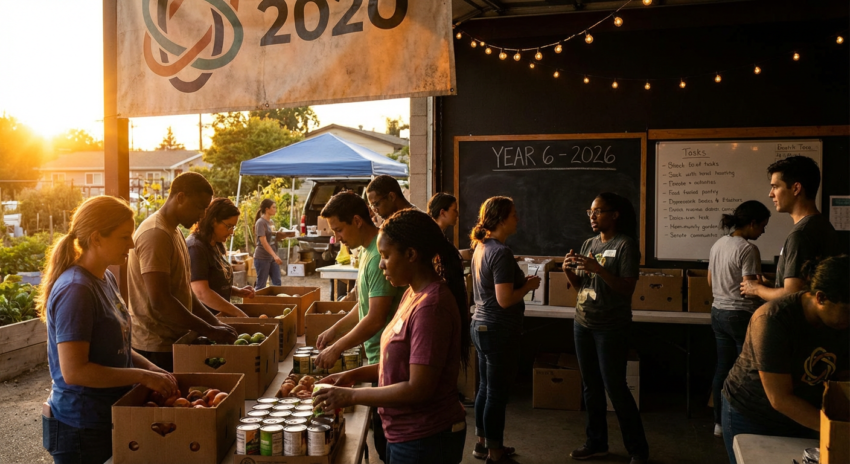
The spring of 2020 changed how Americans think about community support, as millions found themselves cut off from traditional safety nets and turning to neighbors for help. Mutual aid networks popped up seemingly overnight, connecting people through hastily organized social media groups and volunteer-run distribution centers. What started as emergency response to pandemic disruption has grown into something more permanent and complex. Six years later, these grassroots networks continue operating across the country, though their role in community life has become a source of both celebration and contention.
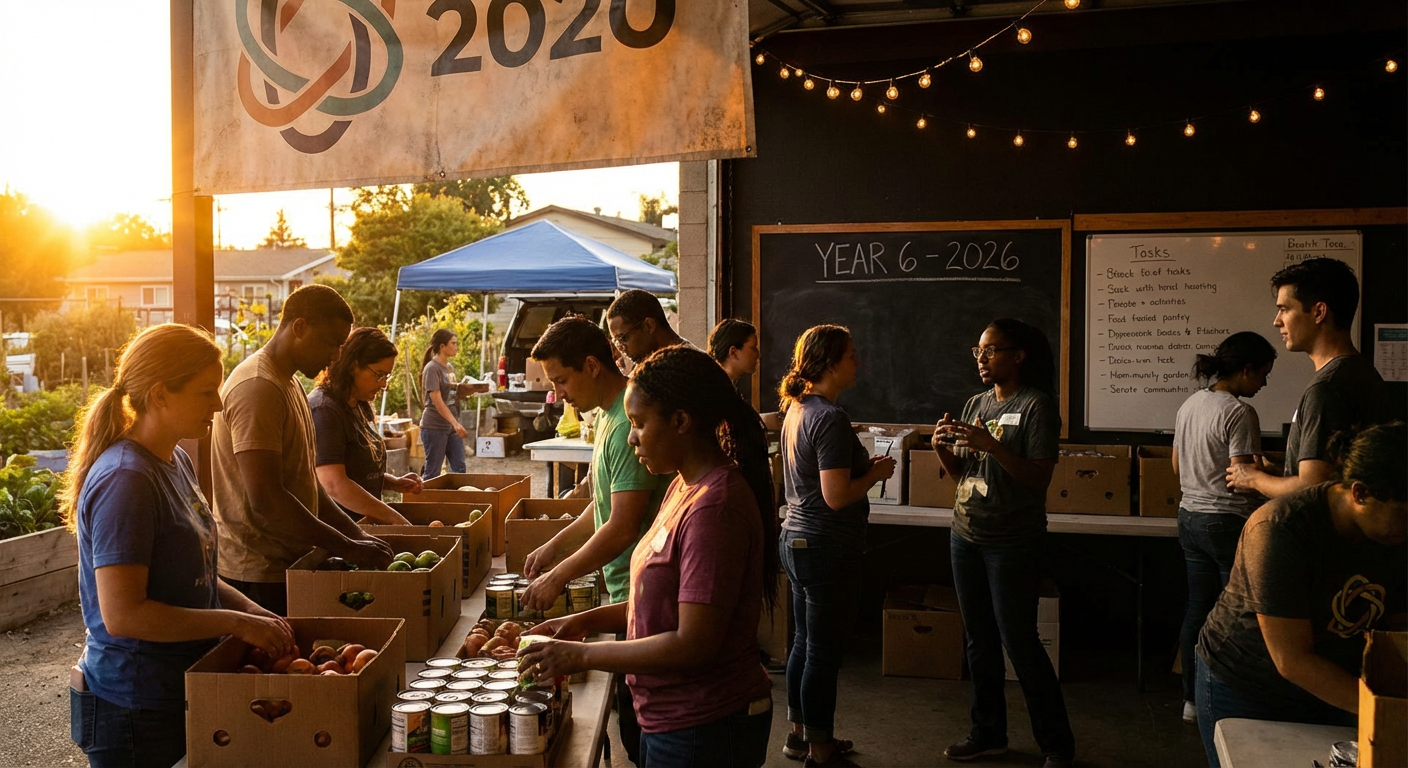
The spread of these networks reflects something deeper than temporary crisis response. Communities discovered they could organize themselves using simple digital tools like Slack for communication, Discord for real-time coordination, and Airtable for tracking resources and requests. This technological accessibility democratized organizing in ways that surprised even longtime activists. But as these networks matured, they also exposed fundamental disagreements about who should provide community care and how decisions should be made at the neighborhood level.
The Digital Democracy Divide
Technology has become both the greatest enabler and most significant barrier to inclusive community organizing. Groups like Big Door Brigade mutual aid show how digital platforms can connect neighbors across geographic and social boundaries, allowing retired teachers to coordinate grocery deliveries while college students manage volunteer schedules from their dorm rooms. But the same tools that make large-scale coordination possible can exclude residents who lack reliable internet access, digital literacy, or time to navigate multiple platforms.
This technological divide often mirrors existing community tensions around race, class, and generational differences. Long-established neighborhood organizations sometimes clash with newer, digitally-native groups over outreach methods and decision-making processes. Traditional community leaders get frustrated when younger organizers bypass established channels, while newer activists argue that conventional structures move too slowly to address urgent needs. Both sides raise valid concerns about representation and accountability, but finding common ground remains tough.
The challenge gets trickier when digital organizing intersects with resource distribution. Food sovereignty efforts and community land trust movements have gained momentum in urban areas, driven partly by residents who learned to organize online during the pandemic. These efforts promise greater community control over essential resources, but they also require sustained engagement that can be difficult to maintain through digital platforms alone. The tension between virtual efficiency and in-person relationship-building continues to shape how these movements develop.
Housing Politics and Neighborhood Power
Nowhere is the complexity of grassroots organizing more evident than in housing advocacy, where the crisis in major metropolitan areas has accelerated tenant organizing while also intensifying conflicts over neighborhood development. Tenant unions have grown significantly as residents face displacement pressure, but their relationship with broader community groups remains complicated. Some neighborhood organizations support tenant organizing as part of anti-gentrification efforts, while others worry that aggressive advocacy tactics might discourage investment in local businesses and infrastructure.
These tensions reflect deeper disagreements about how neighborhoods should change and who gets to decide. Long-time residents may support affordable housing in principle while opposing specific developments that they fear will alter neighborhood character. Newer residents, particularly young professionals, might push for density and transit access while being seen as contributing to displacement pressures themselves. Publications like Shelterforce community development document how these dynamics play out differently across communities, but the underlying tension between stability and change remains constant.
The rise of participatory budgeting programs in over 1,500 cities worldwide offers one model for navigating these conflicts, allowing residents to vote directly on spending priorities for local infrastructure and services. But even these democratic processes can become sites of disagreement when different community groups mobilize their networks to influence outcomes. The same organizing skills that strengthen mutual aid networks can intensify competition over limited resources, leading to fragmentation rather than solidarity.
When National Politics Meets Neighborhood Organizing
An interesting paradox has emerged as national political institutions face increasing dysfunction while local organizing appears more effective at creating tangible change. Community groups can often achieve concrete victories around specific issues like traffic safety, park improvements, or small business support, even as broader political systems struggle with polarization and gridlock. But this success sometimes creates unrealistic expectations about what grassroots organizing can accomplish without larger policy changes.
The relationship between local and national politics also generates internal conflicts within community organizations. Some members prioritize direct service and mutual aid, arguing that political activism distracts from immediate community needs. Others insist that addressing root causes requires engaging with electoral politics and policy advocacy. These philosophical differences can split groups apart, particularly when national political events create pressure to take public positions on controversial issues.
The challenge intensifies when successful local organizing attracts attention from outside political actors looking to scale up or replicate community-driven initiatives. Well-meaning foundations and government agencies may offer funding that comes with requirements that alter the character of grassroots efforts. Community groups find themselves navigating between maintaining their independence and accessing resources that could expand their impact, often discovering that growth requires compromises that not all members support.
Building Across Difference
Despite these tensions, many communities are finding ways to build more inclusive organizing efforts that acknowledge rather than paper over disagreements. Successful networks often invest significant time in relationship-building and conflict resolution, recognizing that sustainable cooperation requires addressing underlying power dynamics and competing interests. This work is slower and messier than emergency response organizing, but it creates stronger foundations for long-term community development.
The most resilient mutual aid networks and community organizations seem to be those that embrace multiple strategies at once, supporting both direct service and policy advocacy while creating space for different levels of political engagement. They develop practices for making decisions across difference and create multiple entry points for participation that work with various schedules, skill sets, and comfort levels with activism.
What questions are your community networks grappling with as they balance immediate needs with longer-term organizing goals? How do you navigate disagreements while maintaining the relationships that make collective action possible?