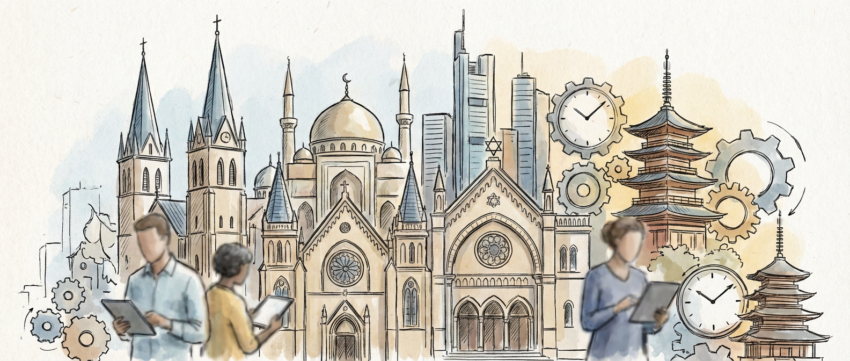
The Changing Religious Landscape
The numbers tell a story that honestly surprises me. Where once roughly one in six American adults claimed no religious affiliation in 2007, that figure has doubled to exceed 30 percent today. This isn’t just statistical movement. It’s a fundamental reordering of how Americans relate to questions of meaning, community, and transcendence in their daily lives.

But here’s what gets really interesting. The growth in those identifying as “spiritual but not religious” has become the fastest-expanding category of religious self-identification. People still hunger for meaning even as traditional institutional forms lose their grip. Pew Research religion data shows patterns that resist simple narratives of decline or secularization. Instead, we’re seeing a massive reorganization of how Americans seek and express their deepest convictions.
This transformation creates real tensions that ripple through communities nationwide. Long-established congregations watch membership rolls shrink while new forms of spiritual community pop up in coffee shops, community centers, and virtual spaces. The question facing many communities isn’t whether change will come, but how to handle it without everything falling apart.
The Infrastructure No One Talks About
Faith communities provide something that secular institutions struggle to replicate: comprehensive social infrastructure that works at both intimate and institutional levels. These networks offer everything from childcare during emergencies to grief counseling, from job networking to elder care coordination. The soup kitchens, homeless shelters, and addiction recovery programs run by religious organizations form an invisible backbone supporting millions of Americans.
When congregations close or consolidate, this infrastructure doesn’t simply transfer to other institutions. Government agencies and nonprofits, however well-intentioned, cannot replicate the dense web of relationships that religious communities create through decades of shared worship, celebration, and mutual support. The loss hits neighborhoods in ways that extend far beyond questions of belief or practice.
This reality creates a real paradox for secular communities. Many residents who have moved beyond traditional religious belief still depend on the social services and community connections that faith-based organizations provide. The challenge becomes how to acknowledge this interdependence without compromising the diverse worldviews that define modern pluralistic communities.
Progressive Faith in Conservative Spaces
While overall religious affiliation declines, something interesting happens within faith communities themselves. Progressive religious movements are actually growing even as conservative denominations contract. These emerging spaces attract people seeking spiritual community without rigid doctrinal requirements, creating new models for how faith and modern values can coexist.
This shift generates its own messy tensions. Traditional religious communities often view these progressive alternatives as watered-down versions of authentic faith, while secular progressives sometimes remain skeptical of any religious expression. Progressive faith communities find themselves in an uncomfortable middle ground, defending their legitimacy to both religious traditionalists and secular skeptics.
The growth of these spaces reflects a broader cultural negotiation about tradition’s role in modern life. Can ancient practices and texts speak meaningfully to contemporary concerns about social justice, environmental stewardship, and inclusive community? Progressive faith communities argue yes, but their success often comes at the cost of alienating both their secular and traditional religious neighbors.
Digital Faith and Pandemic Adaptations
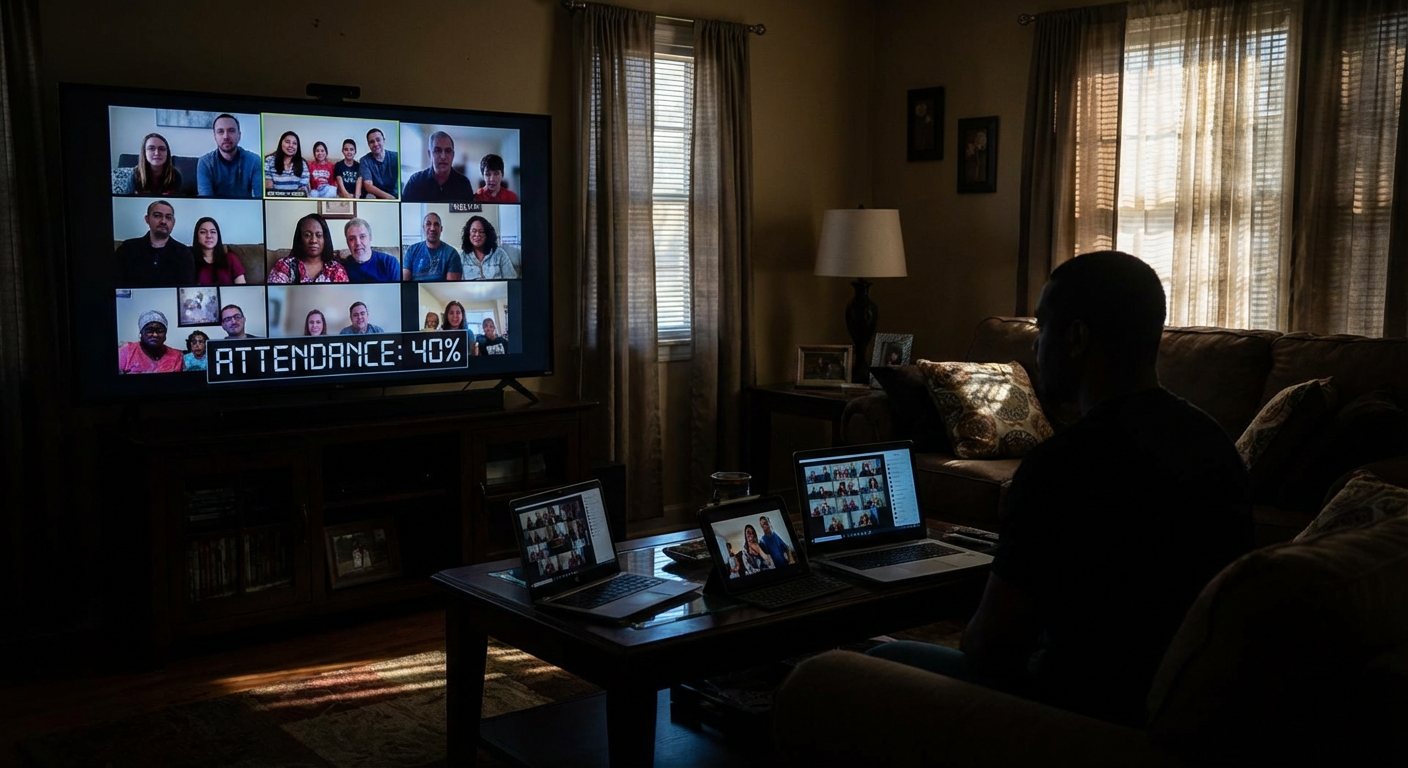
The COVID-19 pandemic accelerated transformations already happening in religious life. Congregations that had never considered online worship suddenly found themselves streaming services to empty sanctuaries. What began as emergency adaptation revealed new possibilities for community building that transcend geographic boundaries.
Online faith communities that formed during the pandemic have retained approximately 40 percent of their attendance as in-person gatherings resumed. This hybrid model creates opportunities for participation that traditional worship never offered. People with mobility challenges, work schedule conflicts, or social anxiety found spiritual homes they could access from anywhere.
Yet digital faith also raises real questions about the nature of religious community itself. Can shared virtual experience generate the same depth of connection as physical presence? Religion News Service has documented both the promise and limitations of these digital experiments, highlighting how technology reshapes but cannot fully replace embodied spiritual practice.
Coalition Building Across Belief Lines
Perhaps the most promising development in contemporary religious life is the growth of interfaith coalitions focused on practical community challenges. Organizations addressing housing affordability, immigration reform, and poverty reduction increasingly draw leadership from diverse faith traditions working alongside secular partners.
These coalitions succeed because they focus on shared values rather than shared beliefs. A Catholic social worker, a Jewish community organizer, a Muslim advocate, and an atheist city council member can collaborate effectively on homeless services without resolving their theological differences. The work itself becomes a form of common ground that transcends traditional religious boundaries.
This model offers a real path forward for communities struggling with religious diversity. Rather than avoiding faith-based perspectives in public life or giving special treatment to particular religious viewpoints, interfaith coalition work creates space for multiple traditions to contribute their distinctive strengths to shared challenges. The approach acknowledges both the value of religious wisdom and the necessity of inclusive public discourse.
These developments suggest that the future of faith communities in secular contexts will be shaped less by winning cultural battles than by demonstrating practical value to diverse neighbors. Communities that find ways to honor both religious conviction and pluralistic democracy may discover new forms of sacred ground that work for everyone’s deepest needs. The conversation about how we build such communities together is just beginning, and frankly, every voice matters in shaping what comes next.